HEMP THCA FLOWER: THE 2026 GUIDE TO COMPLIANT POTENCY
 Melanie Steeves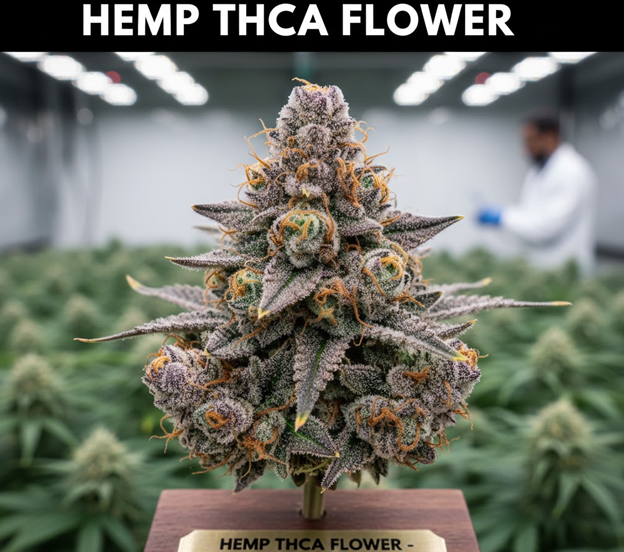
In 2026, Hemp Gen Bulk THCA Flower stands as a fascinating and increasingly vital product within the rapidly evolving cannabis and hemp industry. As regulations continue to mature, particularly concerning the “Total THC” framework, understanding what defines compliant, high-quality hemp flower rich in THCA (Tetrahydrocannabinolic Acid) is paramount for both consumers and businesses. This guide aims to clarify the significance of hemp THCA flower and how to navigate its burgeoning market.
The Legal Distinction: What Makes it “Hemp” THCA Flower?
The legal classification of hemp THCA flower hinges on a crucial distinction established by the 2018 Farm Bill and refined by subsequent state and federal guidance. For a cannabis plant to be legally categorized as “hemp,” its Delta-9 THC content must not exceed 0.3% on a dry weight basis. This threshold applies not just to the final product but, increasingly in 2026, to the “Total THC” potential, which considers the THCA that can convert to Delta-9 THC upon heating.
If this combined value remains below 0.3%, the flower retains its legal “hemp” status, regardless of how high its THCA percentage might be. This scientific nuance allows for the sale of potent THCA flower that, when decarboxylated by the end-user, can deliver robust effects without violating federal hemp laws.
Why Hemp THCA Flower is Gaining Popularity
The appeal of hemp THCA flower in 2026 is multi-faceted, drawing in a diverse range of consumers:
- Federally Compliant Potency: It offers a legal pathway to experiencing the effects of Delta-9 THC (after decarboxylation) in regions where traditional cannabis may still be restricted or highly regulated.
- Full-Spectrum Benefits: Unlike isolated cannabinoids, hemp THCA flower provides the complete “entourage effect.” It contains a rich blend of cannabinoids (CBD, CBG, minor cannabinoids) and a diverse terpene profile that work synergistically to enhance the overall experience and potential therapeutic benefits.
- Natural and Unprocessed: Many consumers prefer the unadulterated form of the cannabis plant, valuing the authenticity and minimal processing involved in flower products compared to highly refined concentrates or edibles.
- Versatility: Hemp THCA flower can be smoked, vaporized, or used as a base for homemade edibles or infusions after decarboxylation.
Identifying Quality Hemp THCA Flower in 2026
When sourcing hemp THCA flower, quality and compliance are paramount. Consumers should become adept at scrutinizing products before purchase.
1. Lab Testing (COAs) are Non-Negotiable
Every reputable vendor of hemp THCA flower must provide accessible and up-to-date Certificates of Analysis (COAs) from independent, third-party laboratories. These reports are your assurance of:
* “Total THC” Compliance: Confirming the flower meets the legal threshold.
* Cannabinoid Profile: Exact percentages of THCA, Delta-9 THC, and other cannabinoids.
* Terpene Profile: A detailed breakdown of the aromatic compounds present.
* Purity Screenings: Verification of the absence of harmful contaminants, including pesticides, heavy metals, mycotoxins, and residual solvents. The rigorousness of these tests is now comparable to the standards required for a research grade peptide, ensuring consumer safety.
2. Visual and Olfactory Assessment
While lab reports provide crucial data, sensory cues are also important indicators of quality:
* Trichome Density: High-quality flower will appear “frosty” with a generous coating of visible trichomes, indicating rich cannabinoid and terpene content.
* Vibrant Aroma: A strong, complex, and pleasant smell (e.g., earthy, citrusy, gassy, sweet) signifies a well-preserved terpene profile. Avoid flower that smells like hay or is overly muted.
* Bud Structure and Trim: Densely packed, well-trimmed buds with minimal leaf material are characteristic of premium cultivation and care.
3. Cultivation Practices and Storage
Inquire about the growing methods and post-harvest care:
* Growing Environment: Indoor or controlled greenhouse environments often yield superior quality due to optimized conditions.
* Curing Process: A slow, controlled cure is essential for preserving terpenes and cannabinoids, and preventing mold.
* Proper Storage: Reputable vendors store their hemp THCA flower in cool, dark, and airtight conditions to maintain freshness and prevent degradation.
Conclusion
Hemp THCA flower in 2026 offers an exciting and compliant avenue for experiencing the full spectrum of the cannabis plant. By understanding the critical “Total THC” regulations, demanding comprehensive lab verification, and assessing sensory indicators of quality, consumers can confidently navigate this dynamic market. Choosing high-quality hemp THCA flower ensures a safe, legal, and truly potent experience. …